
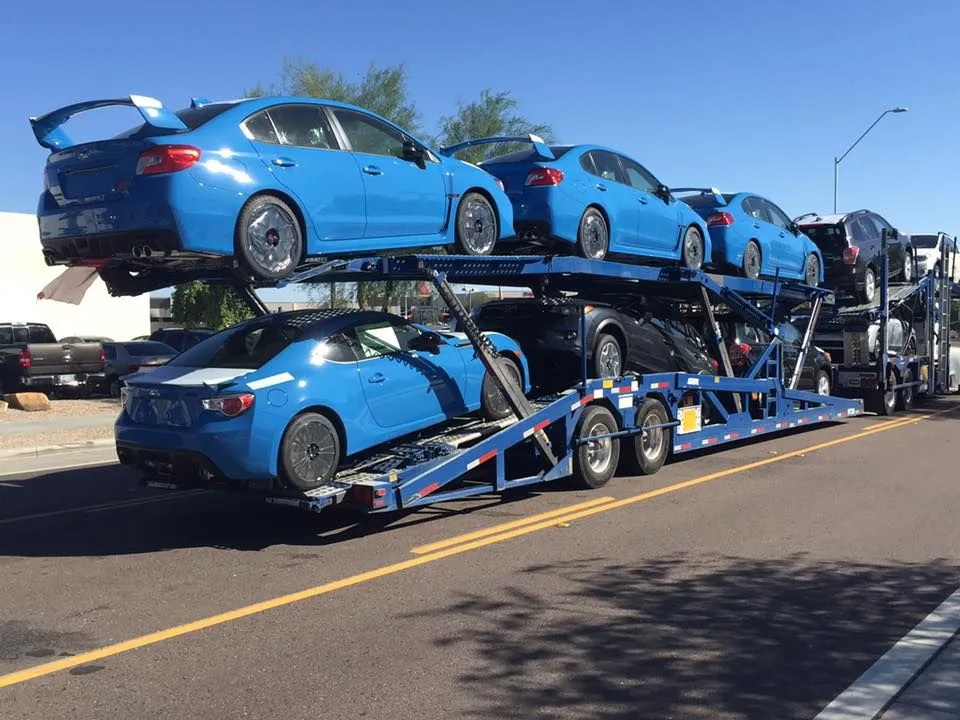
State-to-state car shipping can simplify a long-distance move, an online vehicle purchase, or a relocation for work or school. Instead of driving the vehicle across the country, you can arrange transportation between your chosen pickup and delivery locations.
One of the first questions customers ask is how much vehicle shipping will cost. There is no single price that applies to every shipment. Several factors influence the quote, and understanding them can help you plan your budget and compare service providers.
1. Transportation Distance and Route
The distance between pickup and delivery locations is an important pricing factor. Longer routes generally involve more fuel, driver time, and operating expenses.
However, shipping costs do not always increase in direct proportion to mileage. High-demand routes with frequent carrier traffic may be priced differently from routes serving remote or less accessible areas.
For example, a shipment between two major metropolitan areas may have different carrier availability than a shipment involving a rural pickup location. The actual quote depends on the specific route and current market conditions.
2. Vehicle Size and Weight
The size and weight of your vehicle can affect the cost of transportation. Compact passenger cars generally occupy less carrier space than large SUVs, vans, and pickup trucks.
Larger vehicles can reduce the number of automobiles a carrier can accommodate on a trip. Certain oversized or modified vehicles may also require specialized equipment or arrangements.
When requesting a quote, provide the correct make, model, and year. Mention any significant modifications, roof accessories, oversized tires, or other features that could affect loading and transport.
3. Open or Enclosed Transport
The transport method can significantly influence your quote.
Open transport is commonly the more economical option because open carriers are widely used and can accommodate several vehicles. Enclosed transport provides a covered environment and is often selected for classic, luxury, collectible, and specialty vehicles.
If you are deciding between these options, consider both the price difference and the type of vehicle being shipped. Ask for separate quotes if you want to compare the alternatives directly.
4. Vehicle Operating Condition
A vehicle that starts, steers, and brakes normally is generally easier to load and unload than one that cannot move under its own power.
Non-running vehicles may need a winch, specialized loading equipment, or a carrier capable of handling inoperable automobiles. These requirements can add to the shipping cost.
Always disclose whether your vehicle is operable when requesting a quote. Providing accurate information helps reduce the possibility of unexpected charges or pickup complications.
5. Pickup and Delivery Accessibility
Carrier access matters. Narrow roads, low bridges, restricted parking areas, gated communities, and local truck restrictions can make it difficult to collect or deliver a vehicle directly at an address.
Door-to-door transport usually means arranging pickup and delivery as close to the requested addresses as safely and legally possible. If a large carrier cannot reach your property, the provider may arrange a nearby meeting point.
Discuss any access restrictions in advance to help the provider plan an appropriate pickup and delivery arrangement.
6. Seasonality and Scheduling
Demand can change throughout the year. Moving seasons, holidays, weather conditions, and popular relocation periods can affect carrier availability and prices.
Flexible scheduling may allow more options, while urgent pickup requests can limit the available carriers or increase costs. If your move has a fixed date, request a quote early and communicate your preferred pickup window.
Remember that a quoted pickup window and estimated delivery date are not always guarantees. Road conditions, weather, traffic, and operational changes can affect schedules.
7. Insurance, Fees, and Payment Terms
Before accepting a quote, ask what is included. Confirm the agreed transport price, any booking or cancellation fees, payment timing, applicable additional charges, and the carrier’s insurance arrangements.
Request written confirmation of important terms. Ask who will transport the vehicle, how damage claims are handled, and what documentation you should keep. Do not assume that every policy covers every type of loss or damage.
How to Get an Accurate Car Shipping Quote
Prepare the following details before contacting a transport provider:
-
Vehicle make, model, year, and operating condition.
-
Pickup and delivery cities or addresses.
-
Preferred pickup dates.
-
Open or enclosed transport preference.
-
Known access restrictions at either location.
-
Any special handling requirements.
Compare quotes based on the same route, service type, dates, and terms rather than choosing solely by the lowest advertised price.
Conclusion
The cost of state-to-state car shipping depends on several variables, including distance, vehicle dimensions, transport method, operating condition, route demand, scheduling, and accessibility.
HighPoint Car Transport helps customers explore vehicle shipping options from Atlanta, Georgia, and other locations. Provide your shipment details to request a quote based on your specific transportation needs.