
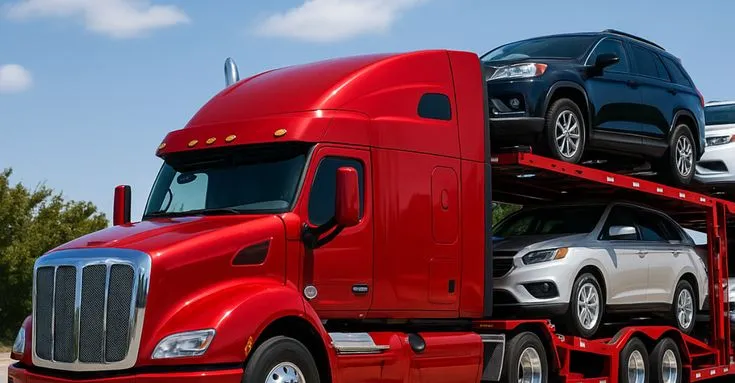
Choosing between open and enclosed car transport is one of the most important decisions when arranging vehicle shipping. Both methods are designed to move vehicles between locations, but they differ in carrier design, exposure to outside conditions, availability, and price.
For customers arranging car shipping from Atlanta, Georgia, the right option depends on the vehicle’s value, condition, transportation budget, and personal preferences. Understanding the differences can help you select a service that fits your needs.
What Is Open Car Transport?
Open car transport uses a trailer without fully enclosed sides and a roof. Many vehicles are shipped this way because open carriers can transport multiple automobiles on the same trip.
Open transport is commonly suitable for:
-
Everyday passenger cars.
-
Family SUVs and crossovers.
-
Pickup trucks that fit the carrier’s specifications.
-
Dealer purchases and vehicle relocations.
-
Standard vehicles being moved between states.
One of its main advantages is cost efficiency. Because open carriers are widely used and can transport several vehicles simultaneously, this method is often more affordable than enclosed shipping.
However, vehicles transported on open trailers are exposed to ordinary outdoor conditions, including rain, dust, and road debris. This exposure is generally acceptable to many owners of standard vehicles, but some customers prefer an alternative.
What Is Enclosed Car Transport?
Enclosed car transport uses a covered trailer to provide additional protection during transportation. Depending on the carrier, equipment may include specialized loading systems, lift gates, or other features designed for particular vehicles.
Enclosed transport is often considered for:
-
Classic and collectible automobiles.
-
Luxury and exotic vehicles.
-
Restored cars and show vehicles.
-
Sports cars with low ground clearance.
-
Vehicles with delicate finishes or specialized requirements.
Its primary advantage is reduced exposure to weather and road debris. Some enclosed carriers also offer equipment and handling procedures suited to certain high-value vehicles, although features vary by provider.
The trade-off is price. Enclosed transport commonly costs more because specialized equipment, lower carrier capacity, and availability can increase the cost of a shipment.
Key Differences Between Open and Enclosed Shipping
| Feature | Open Transport | Enclosed Transport |
|---|---|---|
| Trailer design | Open carrier | Covered carrier |
| Outdoor exposure | Greater | Reduced |
| Typical cost | Usually lower | Usually higher |
| Availability | Often broader | May be more limited |
| Common use | Everyday vehicles | Classic, luxury, and specialty vehicles |
| Vehicle requirements | Depends on size and condition | Depends on enclosed equipment and dimensions |
Actual pricing, availability, and protection depend on the specific carrier and shipment.
Which Option Should You Choose?
If you are shipping a standard daily driver and want a cost-conscious option, open transport may be a sensible choice. It is widely used for personal relocations, online vehicle purchases, and interstate car shipping.
If your vehicle is rare, particularly valuable, freshly restored, or unusually low to the ground, enclosed transport may offer additional peace of mind. Consider the vehicle’s replacement value, condition, insurance arrangements, and your comfort with outdoor exposure.
Neither option eliminates every transportation risk. Before booking, ask the provider to explain the carrier’s cargo insurance, applicable exclusions, deductible arrangements, inspection procedures, and claim process. Verify coverage details rather than assuming every type of damage is covered.
Tips Before Booking Your Shipment
First, provide accurate vehicle details, including dimensions and whether it runs. Next, confirm the pickup and delivery addresses and preferred dates. Compare written quotes on an equivalent basis, including services, fees, and estimated schedules.
Photograph your vehicle before pickup and review the condition report with the driver. At delivery, inspect the vehicle carefully and document any discrepancies before completing the delivery paperwork.
Conclusion
Open and enclosed car transport both offer practical ways to ship a vehicle. Open transport is often the economical choice for everyday automobiles, while enclosed transport may be more suitable for vehicles needing additional protection from outside conditions.
HighPoint Car Transport offers both options for customers planning vehicle shipping from Atlanta and other locations. Discuss your vehicle, route, and priorities with the team to determine which service best matches your shipment.